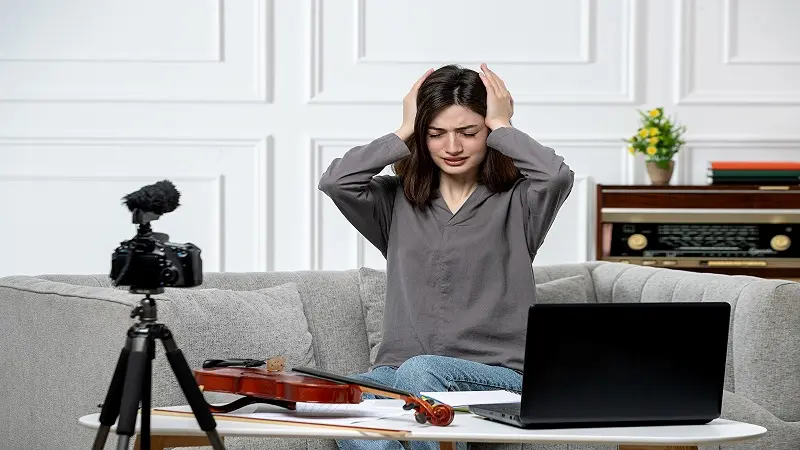
Imagine a freelance photographer with a spare bedroom she uses to stage shoots. The backdrop goes up on Tuesdays and the lights come out on Thursdays and the single bed remains ready for her sister’s visits. Can she claim it? The honest answer is “partly, and it depends”. Many creatives ask these questions and turn to accountants for creative industries because common guides do not address studios like this
Can UK Creatives Claim their Home Studio Expenses?
In many cases yes. If you are self-employed and you use part of your home as a place of work, you can typically claim a business share of certain household costs. The point is that share. You are claiming the share of a bill that relates to your work, not the whole bill
A dedicated room does not mean everything relating to the house is deductible. Your electricity is not a business expense because your monitor runs 24/7. Something has to tie into the job.
Home Cost What you need to know
|
Home cost |
What you need to know |
| Rent | A business share may be claimable, not the full amount |
| Mortgage interest | A business share may qualify; capital repayments generally don’t |
| Council Tax | A business share may be relevant under actual costs |
| Electricity and heating | Business-use share is often claimable, and often higher for creatives |
| Broadband and phone | The business-use element is claimable |
Can you claim a part of your rent?
Not the full amount, even if you work from home. Say you rent a three bedroom flat and use one room as a studio. Dividing the rent by three looks good on paper until another room hosts guests every other month. A fair share reflects how it really gets used and you should be able to explain it in a sentence.
Can you claim a part of your mortgage?
This is where people most often get caught out. Mortgage interest may be claimable as a business share. Capital repayments, the part that reduces what you owe, generally aren’t. Your monthly payment probably mixes both, so check statements before you assume anything.
Can you claim electricity and heating?
Creatives run up bills a typical home worker never sees. A photographer might have studio lights blazing for four hours during a shoot. A producer might leave monitors and an amplifier running for all afternoon. Keep a note of hours and equipment. A rough log beats a confident guess every time.
How do you work out your business share?
There is no magic percentage. Anyone who tells you “one room equals 25%” is offering a shortcut, and shortcuts are where claims get derailed. Room count gives you a starting point. The floor area gives you more. Time matters because a room you work in Monday-Friday isn’t the same case as one a person uses twice a month.
Take a four room home where the studio covers about 15% of the floor area and gets used most weekdays. A fair share of rent and general household costs might well be close to that figure. Studio equipment draws far more power than a normal bedroom though, so the energy figure could well be higher. Whatever number you land on, you need to be able to back it up with a sentence.
Simplified expenses or actual costs?
Simplified expenses are flat monthly amounts. Work from home 25-50 hours a month and you can claim £10. Between 51-100 hours it’s £18. At 101 hours or more it’s £26. The flat rate covers household costs such as heating, lighting and water but telephone and internet sit outside it.
So can you add your actual household costs on top of the £26? No. You pick one method for household costs. A freelance designer who works at the kitchen table a few afternoons a week often does well with the flat rate. A full time photographer with a large electricity bill often does better with actual costs. The easier route is not always the bigger deduction.
What creative equipment can you claim?
Equipment doesn’t behave like a bill. A camera is a business asset, so you generally won’t get relief on the full purchase straight away.
Personal use complicates things. Imagine you buy a £2,000 camera and use it 70% for paid shoots and 30% for holidays. You can’t claim the whole £2,000. Keep a simple log of shoots and trips because that log is what supports your split if anyone asks.
What about soundproofing and studio conversions?
A desk and laptop are a purchase. Converting a bedroom into a studio is a building project, and the tax treatment reflects that. Repairs that restore something to working order normally count towards business costs. Improvements that add something new, such as a fitted acoustic ceiling, are generally capital in nature. If the work is substantial, get advice before you claim anything.
Could a home studio affect capital gains tax?
Working from home won’t touch your Private Residence Relief when you sell. The trouble starts when a room becomes used exclusively for business, with no personal use at all. At this point relief can be reduced for the business part of the property.
Before you set aside a room as business-only, think about the CGT consequences. A short conversation with an adviser now is much easier than an awkward one at the point of sale.
Renting, PAYE and limited companies
If you rent, read your tenancy agreement first. Some agreements restrict business use, and some landlords expect to be told.
If you’re employed and freelance on the side, employee homeworking relief and self-employed rules work differently. Keep the two sets of accounts separate.
If you trade through a limited company, don’t copy a sole trader calculation across. The company’s arrangement brings its own property and tax considerations.
What records should you keep?
Hold on to receipts, bills, rent statements, mortgage interest certificates, utility bills and your business-use calculation. Add a log of hours worked from home, plus evidence of studio use such as dated project files. A modest claim with solid records survives a query better than an impressive figure you can’t back up.
Common mistakes creatives make
The most common mistake is claiming a fixed percentage of the whole house. Treating every bill as fully business comes a close second. Some people claim mortgage repayments instead of interest and others ignore the personal use of their equipment.
Frequently asked questions
Can I claim part of my rent if I use one room as a studio?
Yes, but only a business share, not the full amount. This share should reflect how much of the home the studio takes up and how often you use it for work. Keep a record of how you worked it out.
Can I claim electricity for a home photography studio?
Yes, the business share is generally claimable, and for photographers it’s often substantial. Studio lights, computers and heating used during shoots all count towards it. Hours and equipment details will support your figure.
Can I claim soundproofing for a home music studio?
Not automatically. Simple repairs are usually okay, but permanent improvements such as acoustic ceilings or new walls are generally capital in nature. The answer turns on the specific work, so get advice first.
Will using a room as a studio affect Capital Gains Tax?
Working from home on its own won’t. The risk comes when a room becomes used exclusively for business. Think about this before you convert a room, especially if you might sell your home later.
Can I claim home studio expenses if I’m also employed?
Yes, but your job and your freelance work follow different rules. Employee homeworking relief doesn’t carry over to self-employed accounts. Keep the two sets of records separate and check current guidance.
When is professional advice worth it?
Get help when several factors overlap: a dedicated studio, significant equipment, mixed personal and business use, a major renovation, a mortgage, a limited company or possible CGT issues. An adviser’s fee is usually small next to the cost of a mistake. Accountants for creative industries see these combinations regularly and know where creative businesses tend to trip.
Conclusion
A home studio can yield real business deductions, but no universal rule decides what you can claim. Separate business use from personal use. Pick between actual costs and simplified expenses deliberately. Treat equipment and renovations on their own terms, and think about CGT before you lock a room into business-only use. Keep records that show your working. If things get complicated, get advice early. Lanop Business & Tax Advisors can help you work through it before it becomes a problem. See more