
Good nutrition plays a vital role in maintaining overall health and well-being. The food people eat every day provides the body with the energy and nutrients it needs to function properly. Understanding basic nutrition principles can help individuals make better choices about their meals and daily habits.
Today, many people search for clear and simple information about healthy eating. The goal is often to find practical guidance that can easily fit into everyday life. The concept behind nutrition advice theweeklyhealthiness focuses on helping individuals understand how balanced nutrition supports long-term health and how small changes in eating habits can make a meaningful difference.
This guide explains the basics of nutrition, essential nutrients, balanced diets, proper nutrition habits, and practical strategies that support a healthier lifestyle.
Understanding the Basics of Nutrition
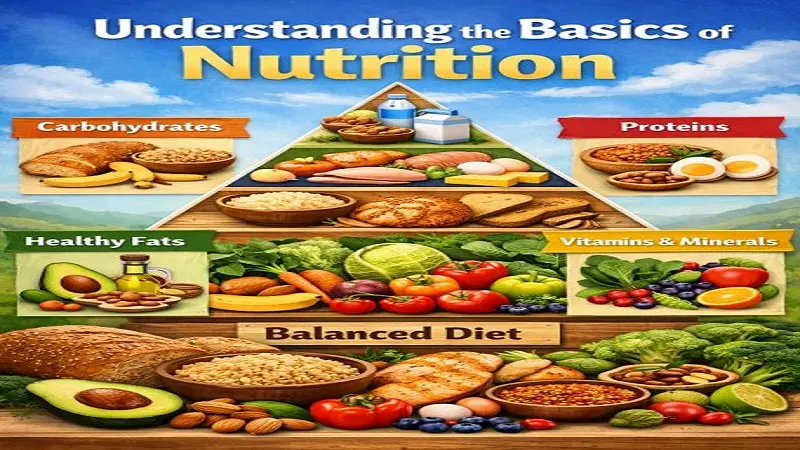
Nutrition refers to the process by which the body takes in and uses food to support growth, repair tissues, and produce energy. Every meal provides nutrients that help the body perform important functions.
Learning these principles helps people better understand the ideas behind nutrition advice theweeklyhealthiness and how balanced meals support overall health.
The human body requires several essential nutrients to stay healthy:
- Carbohydrates
- Proteins
- Fats
- Vitamins
- Minerals
- Water
Each nutrient plays a specific role. Some provide energy, while others support organs, bones, muscles, and immune function. A healthy diet usually includes a balance of all these nutrients.
Why Good Nutrition Is Important
Proper nutrition supports both short-term energy needs and long-term health. When individuals follow healthy eating habits, they often notice improvements in many aspects of daily life.
Steady Energy Levels
Food is the body’s primary source of fuel. Nutrients are converted into energy that allows people to work, study, exercise, and perform everyday activities. Balanced meals help maintain consistent energy throughout the day.
Strong Immune System
Certain nutrients help the body defend itself against illness. Vitamins, minerals, and antioxidants support the immune system and help maintain good health.
Healthy Body Functions
Nutrition supports muscle strength, bone health, digestion, and circulation. Without proper nutrients, the body may struggle to perform these functions effectively.
Improved Mental Focus
The brain relies on nutrients to function properly. Balanced meals may support concentration, memory, and overall mental clarity.
Understanding these benefits helps people appreciate the importance of following reliable guidance, such as nutrition advice theweeklyhealthiness when building healthier eating habits.
The Importance of a Balanced Diet
A balanced diet means eating a variety of foods that provide essential nutrients in the right amounts. Since no single food contains everything the body needs, variety is key.
Healthy meals often include foods from the following groups:
- Fruits
- Vegetables
- Whole grains
- Protein sources
- Healthy fats
Combining these food groups helps the body receive a wide range of nutrients. Balanced meals also help maintain steady energy levels and support overall well-being.
Portion awareness is also important. Even healthy foods should be consumed in appropriate amounts to maintain balance.
Understanding the Main Nutrients
To follow good nutrition habits, it helps to understand the main nutrients the body requires.
Carbohydrates
Carbohydrates are the body’s primary energy source. They are found in foods such as grains, fruits, vegetables, and legumes.
Complex carbohydrates found in whole grains release energy gradually and help maintain stable blood sugar levels.
Proteins
Protein is essential for building and repairing tissues in the body. It supports muscle growth, enzyme production, and immune function.
Common sources of protein include:
- Beans and lentils
- Eggs
- Fish
- Poultry
- Nuts and seeds
Including protein in meals helps maintain muscle strength and can support feelings of fullness after eating.
Healthy Fats
Fats are important for brain health, hormone production, and vitamin absorption. Although fats provide more calories than other nutrients, moderate intake of healthy fats supports overall health.
Healthy fat sources include:
- Nuts and seeds
- Avocados
- Olive oil
- Fatty fish
Balance and moderation remain important when including fats in the diet.
Vitamins and Minerals
Vitamins and minerals support many biological processes in the body. They help maintain healthy bones, blood cells, nerves, and immune function.
These nutrients are commonly found in fruits, vegetables, whole grains, and lean proteins.
Eating a variety of colorful foods helps ensure that the body receives a wide range of vitamins and minerals.
The Role of Fruits and Vegetables
Fruits and vegetables are among the most important foods for maintaining good health. They provide essential nutrients, fiber, and natural plant compounds that support many body functions.
Some benefits of fruits and vegetables include:
- Supporting digestive health
- Providing vitamins and minerals
- Helping maintain a healthy weight
- Supporting heart health
Nutrition experts often recommend filling a large portion of each meal with plant-based foods. Including different colors in meals ensures a wider variety of nutrients.
Following the principles of nutrition advice theweeklyhealthiness often involves increasing the intake of fruits and vegetables as part of a balanced diet.
Whole Grains and Their Benefits
Whole grains are grains that contain all parts of the grain kernel. Because of this, they provide more nutrients than refined grains.
Examples of whole grains include:
- Oats
- Brown rice
- Whole wheat
- Barley
- Quinoa
Whole grains provide fiber, B vitamins, and important minerals that support digestion and overall health.
Replacing refined grains with whole grains can help maintain steady energy levels and support digestive health.
The Importance of Hydration
Water is one of the most essential elements of good nutrition. The body depends on water for many important processes.
Proper hydration supports:
- Digestion
- Circulation
- Temperature regulation
- Nutrient transportation
- Waste removal
Drinking water regularly throughout the day helps maintain energy and supports overall well-being.
Hydration needs may vary depending on climate, activity level, and individual health conditions.
Building Healthy Eating Habits
Good nutrition is not only about what people eat but also about how they eat. Healthy habits play a significant role in maintaining a nutritious diet.
Some helpful habits include:
Eat Regular Meals
Skipping meals may lead to low energy levels and overeating later in the day. Regular meals help maintain steady energy.
Choose Whole Foods
Whole foods are less processed and typically contain more natural nutrients. Examples include fresh fruits, vegetables, whole grains, and legumes.
Pay Attention to Portion Sizes
Balanced portions help maintain healthy energy intake and prevent overeating.
Eat Mindfully
Eating slowly and paying attention to hunger signals can improve digestion and prevent excessive eating.
Plan Meals Ahead
Meal planning helps individuals maintain balanced diets even during busy schedules.
These habits align with the principles behind nutrition advice from theweeklyhealthiness, which emphasizes consistency and simple lifestyle improvements.
Common Challenges in Maintaining Good Nutrition
Although healthy eating is important, many people face challenges when trying to improve their nutrition habits.
Busy Schedules
Modern lifestyles often leave little time for meal preparation, leading people to rely on convenience foods.
Limited Nutrition Knowledge
Some individuals may not fully understand how to create balanced meals or identify nutrient-rich foods.
Emotional Eating
Stress, boredom, or emotional situations can influence eating habits.
Irregular Meal Patterns
Skipping meals or eating at inconsistent times may lead to overeating later in the day.
Understanding these challenges can help individuals develop realistic strategies for improving their nutrition habits.
A Sustainable Approach to Healthy Eating
Healthy eating works best when it is sustainable and realistic. Instead of strict diets or sudden changes, gradual improvements often lead to better long-term results.
A sustainable approach may include:
- Eating balanced meals regularly
- Including a variety of foods in the diet
- Drinking enough water
- Listening to hunger and fullness signals
- Making small, consistent improvements in food choices
These long-term habits help individuals maintain a positive relationship with food while supporting overall health.
Many people find that following the principles of nutrition advice theweeklyhealthiness encourages a balanced and practical approach to healthy living.
Nutrition and Overall Lifestyle
Nutrition is only one part of maintaining good health. Other lifestyle factors also play an important role.
Important factors include:
- Regular physical activity
- Adequate sleep
- Stress management
- Balanced daily routines
When these elements work together, they support both physical and mental well-being.
Healthy living is often the result of consistent habits rather than extreme changes.
Conclusion
Good nutrition is one of the most important foundations of a healthy lifestyle. Understanding how nutrients work and making balanced food choices can improve both physical and mental well-being.
The principles behind nutrition advice theweeklyhealthiness encourage simple and sustainable habits that support long-term health. By focusing on balanced meals, proper hydration, and consistent healthy habits, individuals can build a lifestyle that supports both physical health and overall well-being.
Frequently Asked Questions (FAQs)
1. What does nutrition advice theweeklyhealthiness mean?
It refers to general guidance about healthy eating, balanced diets, and understanding how nutrients support overall health and well-being.
2. Why is balanced nutrition important?
Balanced nutrition ensures the body receives essential nutrients needed for energy, growth, and proper body functions.
3. What nutrients does the body need most?
The body mainly requires carbohydrates, proteins, fats, vitamins, minerals, and water to maintain health.
4. How can someone start improving their nutrition habits?
Simple steps include eating more fruits and vegetables, choosing whole foods, drinking enough water, and maintaining regular meals.
5. Is it difficult to maintain healthy eating habits?
Healthy eating becomes easier when small and consistent changes are made over time rather than following strict or temporary diets.